A checkup every few months matters, but most of what keeps teeth and gums healthy happens in the minutes you spend on them each day. These ten habits are the ones dental professionals mention most often. None of them is complicated, and none needs special equipment.
1. Brushing
Plaque is a soft, sticky film of bacteria that builds up on teeth through the day. Brushing removes it before it can harden into tartar, which only a dental professional can take off.
Try This:
- Brush twice a day for about two minutes, with a fluoride toothpaste.
- Use a soft-bristled brush and gentle, small circles; scrubbing hard can wear enamel and irritate gums.
- Replace your toothbrush, or its head, every three to four months, or sooner if the bristles splay.
2. Cleaning Between Your Teeth
A toothbrush does not reach the narrow gaps between teeth, which is where decay and gum inflammation often start.
Try This:
- Clean between your teeth once a day with floss, interdental brushes or a water flosser, whichever you will actually use.
- Bleeding when you start is common. If it continues after a week or two of gentle daily cleaning, mention it at your next visit.
- Brush or scrape your tongue as well, where bacteria that cause bad breath collect.
3. What You Eat and Drink
How often you have sugary or acidic food and drink matters as much as how much. Each time, the mouth spends a while more acidic than enamel likes.
Try This:
- Keep sweets and soft drinks to mealtimes rather than sipping or snacking through the day.
- Drink water between meals, especially after something sugary or acidic.
4. Habits and Checkups
A few habits outside the bathroom make a difference too.
Try This:
- Wear a mouthguard for contact sports, and ask about a night guard if you grind your teeth.
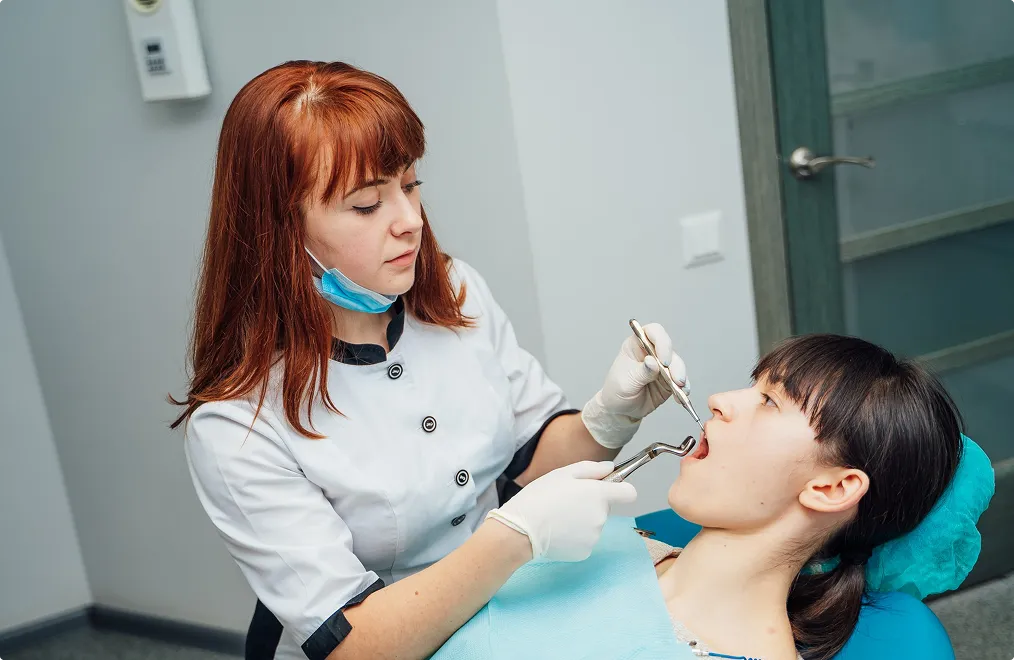
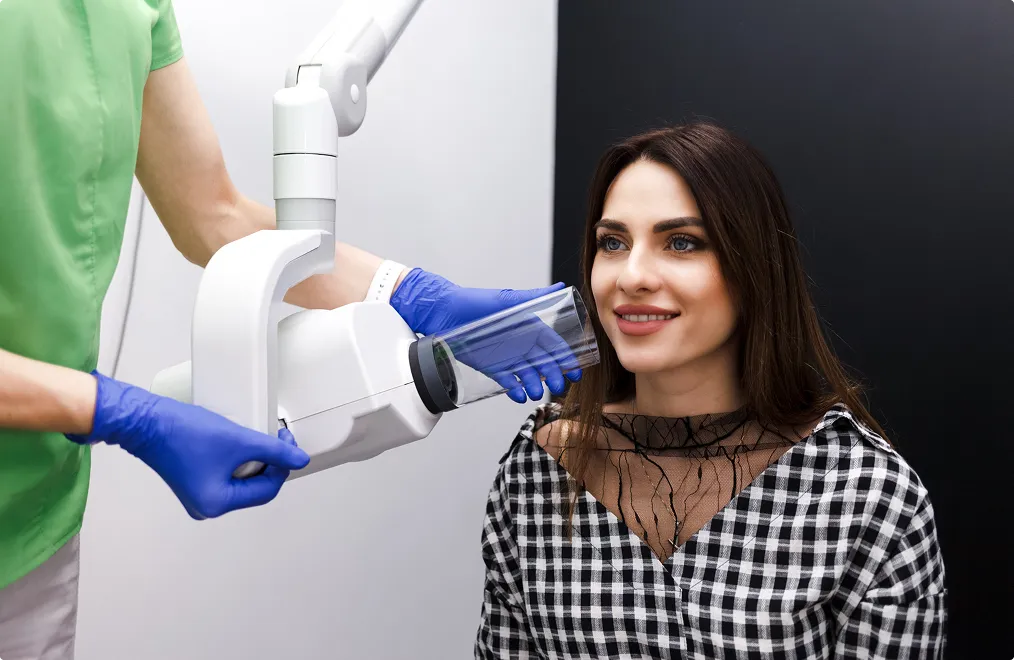
- Keep regular checkups and cleanings, at the interval your dentist recommends for you.
Final Thoughts
None of these habits replaces a professional exam, and some people need more than this, for example during orthodontic treatment or with certain medical conditions. If you are not sure what applies to you, ask your dentist or hygienist at your next visit.
This article is general information, not medical or dental advice, and it is not a substitute for an examination or advice from a qualified professional who knows your health history.